
Best Time to Visit Morocco: Month-by-Month Guide
Morocco doesn’t really have one climate, it has several, sitting side by side. The coast, the inland cities, the mountains, and the desert can all feel like different countries on the same day, which is exactly why the best time to visit Morocco depends heavily on which parts of it you’re planning to see.
Why Timing Matters More in Morocco Than It Might Seem
A trip that includes both Marrakech and the Sahara means planning around two very different climates at once. Summer in Marrakech is hot but manageable; summer in the desert can be genuinely dangerous by midday. Winter in the desert brings cold, clear nights that are part of the appeal; winter in the Atlas Mountains can mean snow and closed passes. Picking a season means weighing these against each other rather than optimizing for just one region, and it’s one of the most common planning mistakes first-time visitors make when they base their dates entirely on a single city’s forecast.
Spring (March to May)
Spring is widely considered the strongest all-around window to visit Morocco. Temperatures across Marrakech, Fes, and the desert are warm during the day and comfortably cool at night, the Atlas foothills are green, and wildflowers bloom in the valleys. It’s also when the Sahara is genuinely pleasant to sleep in rather than something to endure for the experience. The tradeoff is that spring is also the most popular season, meaning higher demand for riads and desert camps, particularly around April.
Summer (June to August)
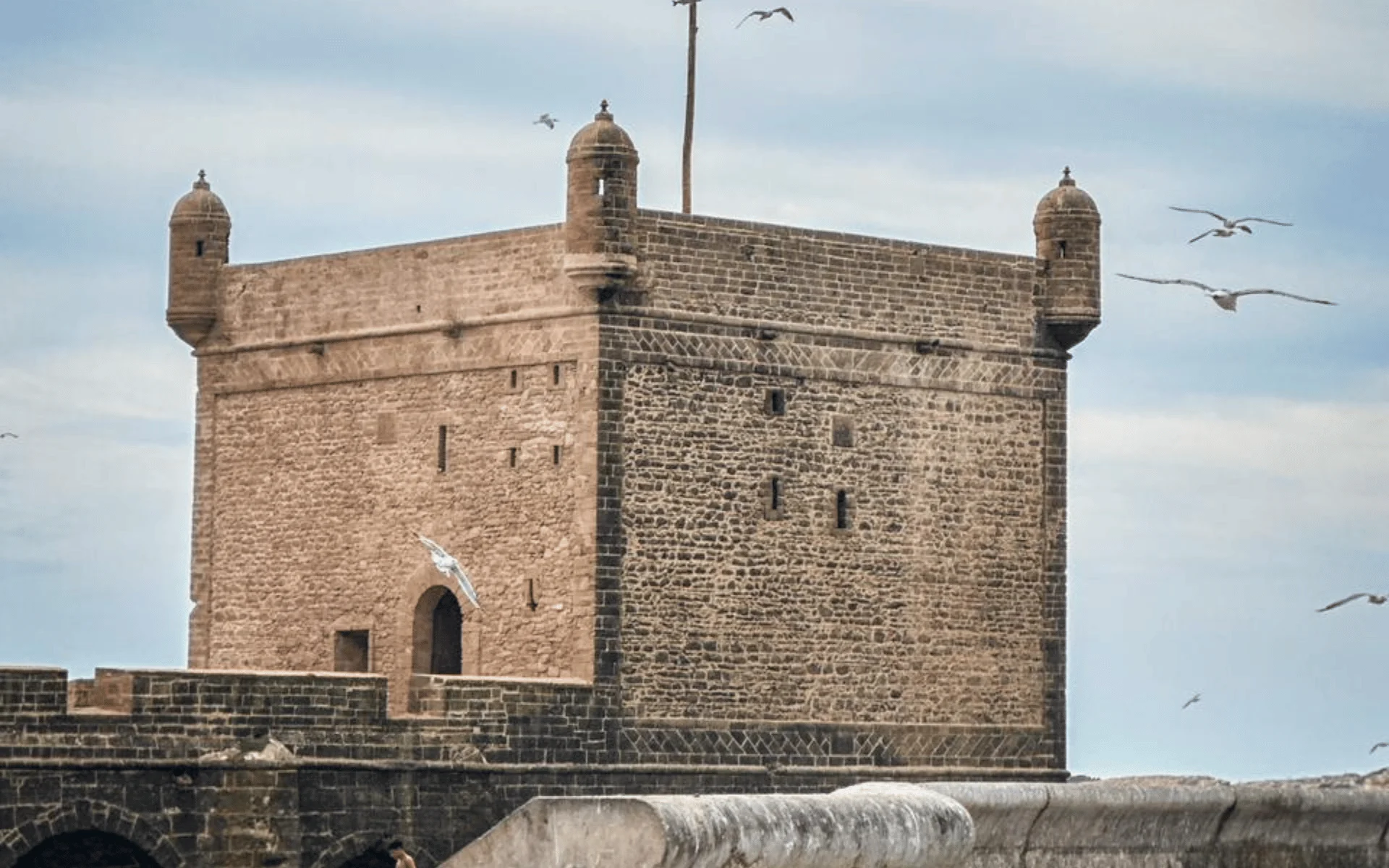
Summer works well for the coast, Essaouira and Chefchaouen in particular stay far cooler than inland cities thanks to Atlantic and mountain influence, but it’s a demanding season for Marrakech and the desert. Daytime temperatures in Marrakech regularly climb into the high 30s and low 40s Celsius, and the Sahara can be extreme at midday, though desert camps typically schedule activities for early morning and evening to work around the heat. Travelers who don’t mind the heat, or who structure their days around it with an early start and an afternoon rest, can still have a good summer trip, particularly if the coast is part of the itinerary.
Autumn (September to November)
Autumn mirrors spring in most respects: warm days, cool nights, and green-tinged landscapes after the summer heat breaks, particularly by October. It’s a close second to spring as an all-around season and tends to have slightly fewer crowds at major sites, since it falls outside the peak spring travel window. Late autumn also marks the start of harvest season in parts of the Atlas, adding an extra layer of local activity to village visits.
Winter (December to February)
Winter suits travelers focused on cities and the desert rather than the mountains. Marrakech and Fes stay mild during the day, cool at night, and largely free of the summer’s heat. The Sahara delivers some of its most striking nights during winter, cold enough for warm layers around a fire, but clear and often genuinely cold rather than just cool, sometimes dropping close to freezing after dark. The Atlas Mountains, by contrast, can see snow and closed roads at higher elevations, which affects mountain day trips more than city or desert plans, though it also opens up limited skiing near Oukaimeden for travelers interested in that.
Matching the Season to Your Itinerary
City-Focused Trips
If your trip centers on Marrakech, Fes, and Essaouira without a desert leg, spring, autumn, and even winter all work comfortably, leaving summer as really the only season that requires planning around the heat.
Desert-Focused Trips
If a Sahara overnight is central to your plans, spring, autumn, and winter all outperform summer, with winter offering a particularly dramatic, cold-night desert experience that some travelers actively prefer over a milder one.
Mountain-Focused Trips
If hiking in the Atlas is a priority, spring through autumn gives the most reliable access, since winter snow can close certain routes and trails at higher elevations, particularly toward Toubkal.
Crowds and Pricing
Spring and, to a lesser extent, autumn tend to see the highest visitor numbers and correspondingly higher accommodation prices in popular areas like the Marrakech medina. Summer and winter both see comparatively fewer travelers, which can mean better availability and pricing, provided you’re comfortable with the tradeoffs each season brings, extreme heat in one case and cold desert nights in the other.
Religious and Cultural Calendar Considerations
Morocco’s Islamic calendar shifts by roughly eleven days each year relative to the standard calendar, meaning periods like Ramadan fall at different times across different years. During Ramadan, many restaurants adjust hours and some tourist services operate slightly differently, which isn’t a reason to avoid visiting but is worth knowing about and planning around in advance.
Frequently Asked Questions best time to visit Morocco
Is there a genuinely bad time to visit Morocco? Not really, though peak summer in the desert and Marrakech specifically requires more heat tolerance and planning than other seasons.
What’s the best single month to visit if I have to pick one? April and October are the two months most consistently recommended across regions, balancing comfortable temperatures with reasonably manageable crowds.
Does the best time to visit change if I’m only doing the coast? Yes, coastal destinations like Essaouira stay pleasant across a wider range of months than inland or desert destinations, making them more forgiving if your travel dates are fixed.
Planning Your Trip Around the Right Season
There’s no single best time to visit Morocco, only a best time for the specific itinerary you’re planning. If you let us know which regions matter most to you and roughly when you’re hoping to travel, we can flag anything seasonal, from desert heat to mountain snow, before it becomes a surprise once you’re there.